
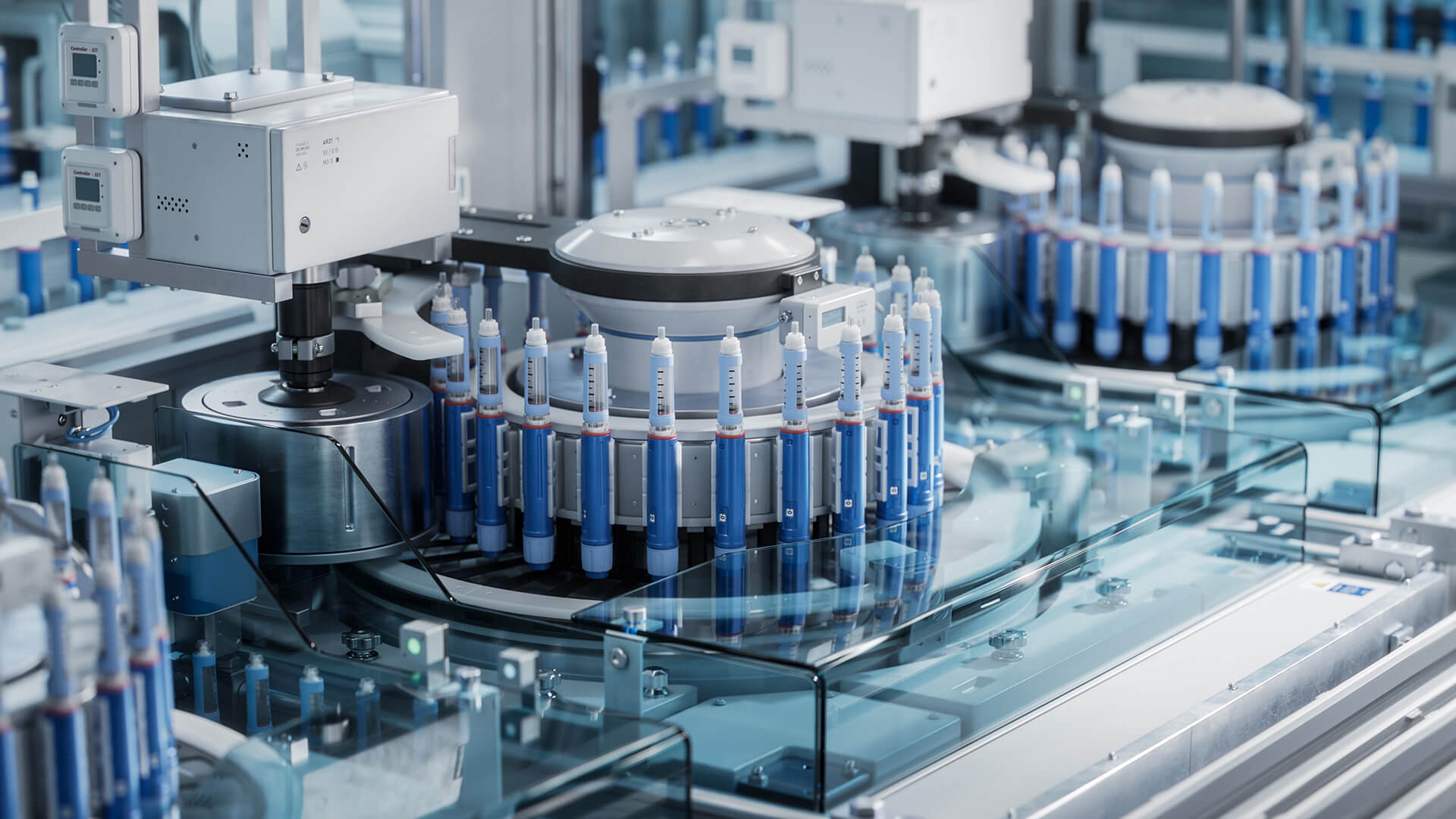

For a long time, large pharmaceutical companies tried to do a little bit of everything. Big pipelines. Broad portfolios. Multiple therapeutic areas. The idea was simple: the more diversified the company, the stronger the business. That is starting to change. More organizations are narrowing their focus and leaning into the areas where they have the strongest science, deepest expertise, and greatest ability to execute. Some are doubling down on oncology. Others are investing heavily in vaccines, biologics, rare disease, or advanced therapies. From a business perspective, it makes sense. But operationally, it creates a very different environment.
As products become more specialized, manufacturing becomes more specialized too. Processes become more complex. Expectations become higher. And the room for inconsistency gets smaller. At the center of all of it is the workforce. The success of these environments depends on whether employees can consistently make good decisions, execute correctly under pressure, and maintain performance in situations where mistakes carry significant consequences. Most organizations already have training programs. They already have SOPs, systems, qualification processes, and compliance frameworks. But many still struggle with inconsistent execution across operations.
You can usually see it in the small moments. An operator hesitating during an unexpected event. A deviation that traces back to decision making, not procedure. A team following the process on paper but not fully understanding the operational impact behind it. A new employee technically qualified, but not truly confident operating independently in a high pressure GMP environment. None of those issues are typically caused by a lack of documentation. They happen because operational capability is harder to develop than operational knowledge.
And as the industry moves further into advanced modalities and increasingly complex manufacturing environments, that challenge becomes more important, not less. Workforce readiness is no longer just an onboarding discussion or a training metric. It affects operational consistency, quality, speed to execution, inspection readiness, and how organizations scale. Most importantly, it affects risk. The companies that will navigate this shift well are probably not the ones with the largest number of training records or the most polished compliance language. They will be the organizations that can build teams capable of performing consistently in environments that are becoming more demanding every year.
At the end of the day, advanced manufacturing still comes down to people. And the more specialized the science becomes, the more important sustained human performance becomes alongside it.
