
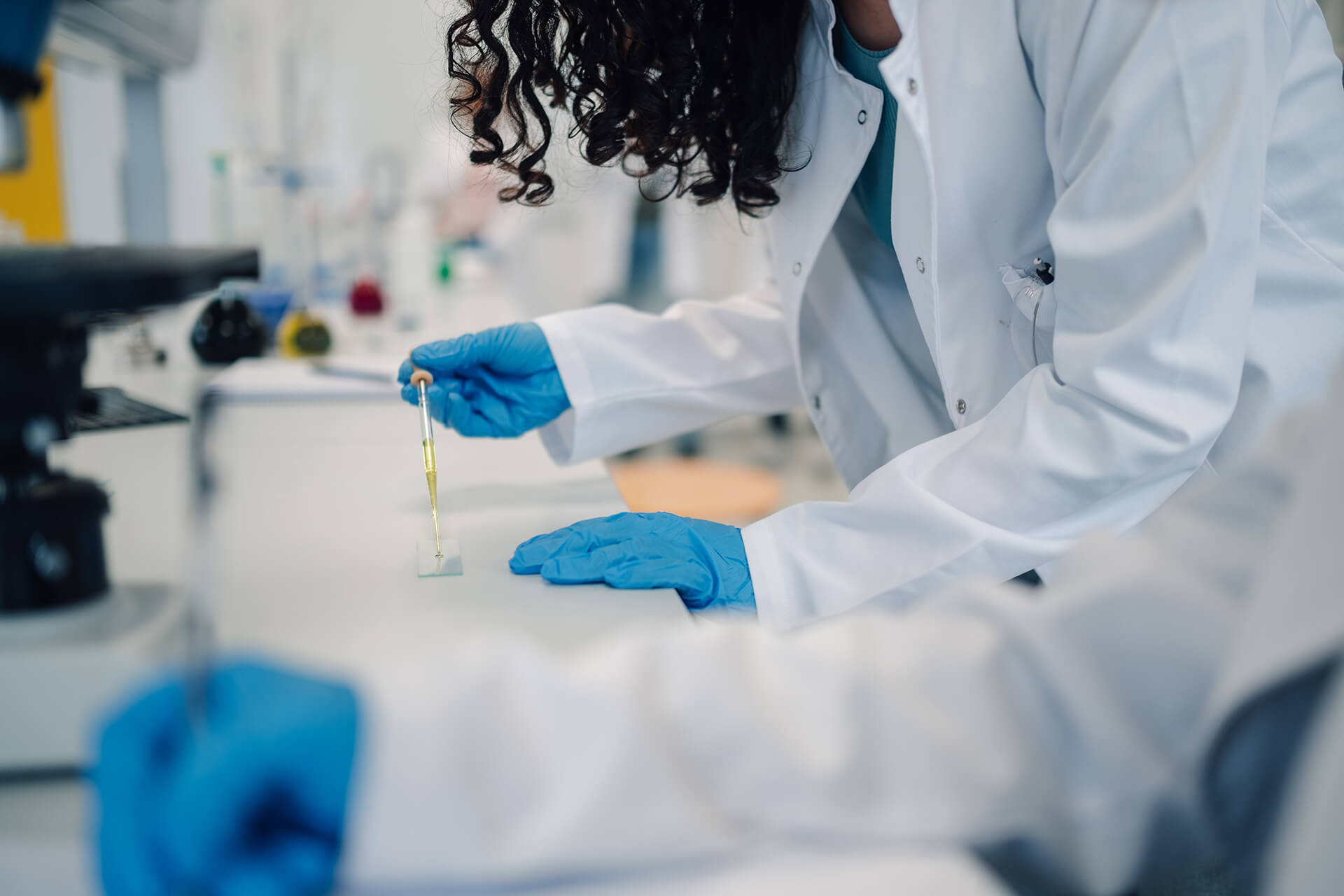

For much of the last fifty years, pharmaceutical manufacturing operated under a relatively predictable model. Companies developed products, validated processes, built manufacturing facilities, and commercialized products using established technologies and supply chains. While regulatory expectations evolved, the underlying manufacturing paradigm remained largely unchanged.
That era is ending.
Today, pharmaceutical manufacturing is experiencing a transformation unlike anything the industry has seen before. Scientific innovation is advancing at an unprecedented pace, but manufacturing organizations are struggling to keep up. New therapeutic modalities, increasingly complex supply chains, evolving regulatory expectations, workforce shortages, digital transformation initiatives, and geopolitical pressures are fundamentally changing how medicines are developed, manufactured, and delivered to patients.
The challenge facing pharmaceutical leaders today is no longer simply making products. It is building organizations capable of managing complexity. The shift begins with the products themselves.
The industry’s historical foundation was built upon small molecule medicines. These products were generally well understood, chemically defined, and manufactured using established processes that evolved over decades. Today, the industry’s growth is increasingly driven by biologics, cell therapies, gene therapies, mRNA products, antibody-drug conjugates (ADCs), and other highly specialized therapeutic platforms.
These therapies are significantly more complex than traditional pharmaceuticals. Manufacturing variability that might have been manageable with a small molecule can become critical when producing a biologic. Product quality is increasingly dependent upon process understanding, process control, and operational discipline. In many cases, the manufacturing process itself becomes inseparable from the product.
As a result, organizations are discovering that traditional manufacturing approaches are no longer sufficient.
At the same time, supply chains have become dramatically more complex. Few companies manufacture every component of their products internally. Today’s products often depend upon extensive networks of suppliers, contract development and manufacturing organizations (CDMOs), testing laboratories, logistics providers, and specialized service partners spread across multiple continents.
This interconnected ecosystem creates opportunities for efficiency and specialization, but it also introduces significant risk. Quality oversight, technology transfer, data integrity, supply continuity, and vendor management have become strategic capabilities rather than administrative functions. The organizations that effectively govern these relationships are increasingly outperforming those that view outsourcing as a procurement exercise.
Regulators have also responded to this new environment.
Regulatory agencies are placing greater emphasis on process knowledge, contamination control, data integrity, quality culture, and lifecycle management. Inspections are increasingly focused on understanding how organizations manage risk, maintain process control, and ensure product quality across increasingly complex operations.
In many cases, regulators are looking beyond compliance documentation and examining whether organizations truly understand their processes and maintain effective quality systems. This shift is forcing companies to move beyond a reactive compliance mindset toward a proactive operational excellence model.
Meanwhile, digital transformation is creating both opportunity and risk.
Artificial intelligence, advanced analytics, digital quality systems, automation, and electronic manufacturing platforms promise significant improvements in efficiency and decision making. However, many organizations are discovering that technology alone does not solve operational challenges.
Digital systems often expose existing weaknesses in processes, governance, and data management. Organizations that attempt digital transformation without first establishing process discipline frequently find themselves automating inefficiency rather than improving performance.
The future belongs not to organizations with the most technology, but to those with the strongest operational foundations.
Perhaps the most significant challenge of all is the workforce.
Across the industry, experienced technical professionals are retiring while demand for specialized expertise continues to grow. Companies are competing for talent in areas such as aseptic processing, biologics manufacturing, validation, quality assurance, contamination control, process development, and regulatory affairs.
This shortage is particularly acute as new manufacturing technologies require entirely new skill sets. Organizations can no longer rely solely on hiring expertise. They must develop it. Training, workforce development, and knowledge transfer are rapidly becoming strategic priorities for pharmaceutical manufacturers around the world.
Taken together, these forces are reshaping the industry.
The pharmaceutical companies that succeed over the next decade will not necessarily be those with the largest facilities or the biggest budgets. They will be the organizations capable of integrating science, quality, operations, technology, and people into a cohesive operating model. This is where many organizations struggle.
Transformation initiatives often stall because technical expertise, quality systems, operational processes, and workforce capabilities evolve at different speeds. Organizations frequently invest in facilities before investing in people. They implement technology before standardizing processes. They pursue commercialization before establishing operational readiness.
The result is avoidable risk, delayed timelines, regulatory challenges, and missed business opportunities.
How QxP Helps Organizations Navigate This Transformation
At Quality Executive Partners (QxP), we recognize that today’s pharmaceutical challenges cannot be solved through traditional consulting alone. Our approach is built upon a simple principle: sustainable improvement occurs when organizations execute and learn simultaneously.
Through our proven Teach & Do methodology, QxP partners with clients to solve immediate business challenges while building internal capabilities that remain long after the engagement ends.
Our teams bring practical expertise across quality, manufacturing, regulatory affairs, technology transfer, contamination control, process validation, inspection readiness, clinical-to-commercial transitions, data integrity, and operational excellence.
Whether supporting a biotech company preparing for its first commercial launch, helping a global manufacturer strengthen inspection readiness, accelerating a technology transfer program, implementing advanced manufacturing capabilities, or developing workforce readiness strategies, QxP focuses on creating measurable business outcomes while strengthening organizational capability.
The pharmaceutical industry is changing faster than ever before.
Organizations that embrace this transformation strategically will thrive.
Those that fail to adapt risk being left behind.
The question is no longer whether pharmaceutical manufacturing is changing. The question is whether your organization is prepared to change with it.
About Quality Executive Partners (QxP)
Quality Executive Partners (QxP) is a premier life sciences consulting firm helping pharmaceutical, biotechnology, and CDMO organizations improve quality, accelerate commercialization, strengthen regulatory readiness, and develop the workforce capabilities needed for the future of pharmaceutical manufacturing. Through its unique Teach & Do methodology and innovative Virtuosi immersive training platform, QxP helps organizations build sustainable excellence while delivering immediate results.
